Open Today Sales: 9 AM-6 PM


Hours:
Open Today Sales: 9 AM-6 PMOpen Today Service: 8 AM-5 PMOpen Today Parts: 9 AM-6 PM
Location
Most seasonal service questions come down to the same three decisions: what should be inspected now, what can be monitored and what should not wait until the next routine visit. The table below is a quick starting point for Range Rover, Defender and Discovery owners; the detailed questions that follow explain why each area may matter and when scheduling service sooner can make sense.



| Season | Start with this question | Areas to consider checking | Schedule sooner if you notice |
|---|---|---|---|
| Spring | What should I have checked after winter and pothole season? | Tires and tire pressure; brakes; steering and suspension; wiper blades and washers; fluid levels; visible underbody concerns | Pulling, vibration, uneven tire wear, brake noise, damaged wipers or a noticeable change after a pothole impact |
| Summer | What should I check before hot weather or a long road trip? | Tires; brakes; fluid levels; cooling and climate-control performance; battery condition; wipers and washers; warning messages | Weak climate-control performance, warning messages, slow starting, tire damage, fluid concerns or a change in braking or handling |
| Fall | What should I inspect before temperatures drop? | Battery condition; tires and tire pressure; brakes; wipers and washers; exterior lighting; fluid levels; heating and defrost performance | Slow starting, worn tires, streaking wipers, visibility problems, brake concerns or heating/defrost issues |
| Winter | How should I prepare for snow and freezing weather? | Tire condition and pressure; battery; brakes; wipers and washers; exterior lighting; heating and defrost systems; applicable fluid levels | Difficulty starting, tire-pressure warnings, reduced tread, poor visibility, braking concerns or a new warning message |
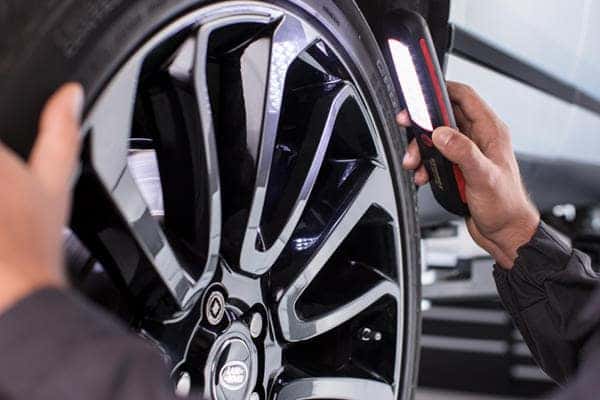 Spring is a useful time to review the areas most likely to show the effects of cold weather, road salt and rough pavement. Tires, tire pressure, brakes, steering and suspension components, wiper blades, washers, fluid levels and visible underbody areas are all reasonable items to discuss during a seasonal visit. If your Range Rover, Defender or Discovery begins pulling to one side, develops a new vibration, shows unusual tire wear or feels different after a pothole impact, you do not need to wait for the next scheduled maintenance visit. Describe what changed when you make the appointment so the service team can inspect the tires, wheels, steering, suspension or alignment as appropriate instead of assuming one specific repair is needed.
 Summer preparation is less about following a separate seasonal service schedule and more about confirming that the systems you will rely on during heat and longer drives are ready. Before an extended trip, consider asking about tire condition and pressure, brakes, fluid levels, battery condition, wipers and washers, cooling performance and climate-control performance, especially if you have noticed a warning message or a change in braking, steering, ride quality, starting or cabin comfort. If your normal scheduled maintenance is approaching, a pre-trip appointment is also a good opportunity to ask whether it makes more sense to complete that service before you leave rather than wait until you return.
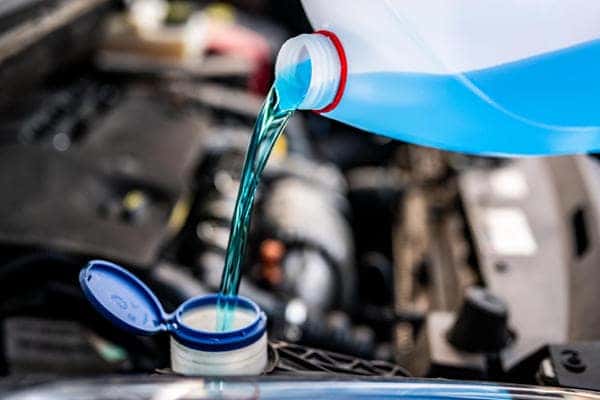 Fall is the transition season when a small concern can become more noticeable once temperatures begin to drop. Battery condition, tires and tire pressure, brakes, wipers and washers, exterior lighting, fluid levels, heating and defrost performance are useful areas to review before winter weather arrives. Drivers who regularly encounter snow, ice or sustained cold can also use a fall visit to discuss whether their current tire condition and tire setup match the conditions they expect to face. The goal is not to replace parts simply because the season changed; it is to identify wear, weak performance or visibility concerns before colder weather makes them more difficult or inconvenient to address.
Winter preparation should focus on the systems that affect starting, traction, braking, visibility and cold-weather comfort. A pre-winter check can include tire condition and pressure, battery condition, brakes, wipers and washers, exterior lighting, heating and defrost systems, and applicable fluid levels for your specific vehicle. Cold weather can make an existing weakness easier to notice, so slow starting, tire-pressure warnings, reduced tread, poor visibility, braking concerns or a new dashboard message are good reasons to schedule service sooner rather than waiting for a routine appointment. Seasonal preparation is most useful when it helps identify a concern early; it should never be used as a reason to delay diagnosis of a warning or a noticeable change in how the vehicle drives.
 All-wheel drive can help with traction, but it does not eliminate the importance of tire condition, tire pressure and the tire's suitability for the temperatures and road conditions in which you drive. Whether a dedicated winter tire setup makes sense depends on your specific Range Rover, Defender or Discovery, the tires currently installed, typical driving routes and how often you encounter snow, ice and sustained cold. If you are unsure, ask the service team to inspect your current tires and discuss the options appropriate for your vehicle and expected use. The recommendation should be based on actual tread condition, fitment and driving needs rather than a one-size-fits-all seasonal rule.
A spring alignment is not automatically required simply because winter has ended, but an inspection becomes more relevant if the vehicle pulls, the steering wheel vibrates, tire wear becomes uneven or the steering feel changes after a pothole impact. Those symptoms can have more than one cause, so the better first step is to describe what you have noticed and let the service team inspect the tires, wheels, steering and suspension as needed. If an alignment is appropriate, that inspection helps establish why it is needed rather than treating alignment as the automatic answer to every pothole or seasonal concern.
Battery condition is worth discussing before winter, before a long road trip or whenever you notice slow starting, intermittent electrical behavior or another unusual symptom. Seasonal temperature changes can expose an existing weakness, but a battery should not be replaced simply because a new season has started. Testing gives the service team a clearer picture of current condition and can help determine whether the battery is performing as expected. Battery needs can also vary by model year and powertrain, so when you schedule service, provide the vehicle information and describe any symptoms you have noticed rather than relying on a generic age or seasonal rule.
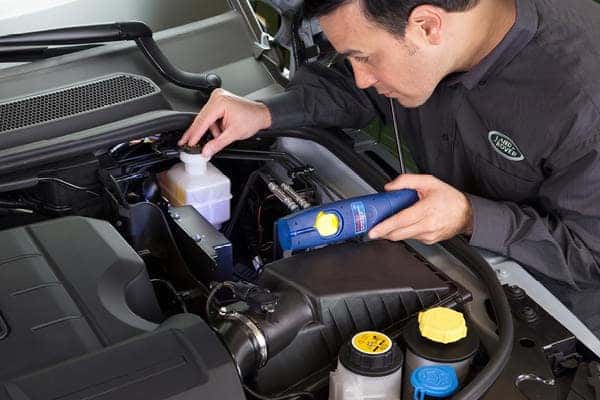 An Electronic Vehicle Health Check is designed to provide a broader look at the vehicle rather than focus on a single seasonal item. Current manufacturer ownership information describes checks that can include powertrain performance, steering and suspension components, tires and brakes, exterior lights, glass and mirrors, wiper blades and washers, and control systems or software where applicable. The results are intended to help separate items that are operating as expected from concerns that may need monitoring or attention, which can make a health check useful before a new season, an extended trip or whenever you want a clearer picture of your vehicle's condition before deciding what service should come next.
Your vehicle's service information, service history and dashboard service reminders should remain the primary guide for Schedule Service. Current manufacturer servicing guidance notes that service interval indicators can help calculate when service is due based on driving style and conditions, while exact requirements can still vary by model year, powertrain, equipment and vehicle use. If a scheduled service is approaching, Land Rover South Shore can verify what applies to your specific Range Rover, Defender or Discovery. You also do not need to wait for a scheduled-service reminder if you notice a warning message, abnormal sound, vibration, braking concern, handling change, fluid issue or another meaningful change in how the vehicle feels.
No. Seasonal maintenance is an additional opportunity to review areas affected by changing weather, road conditions and upcoming travel, while the scheduled maintenance plan for your specific vehicle remains the foundation of ongoing service. The two approaches work best together: a seasonal visit can help identify tire, visibility, battery, brake, steering or suspension concerns between scheduled services, while the normal maintenance schedule addresses the vehicle-specific service requirements established for your model and powertrain. That distinction is important because a four-season guide should help you ask better questions without creating a second, unofficial maintenance schedule.
Give the service advisor the most specific description you can of anything that has changed since the vehicle was last serviced. Warning messages, unusual noises, vibration, changes in braking or steering, tire-pressure alerts, slow starting, climate-control concerns, recent pothole impacts, upcoming travel and the conditions in which you normally drive can all provide useful context. It also helps to explain whether you are scheduling normal maintenance, addressing a specific symptom or asking for a broader seasonal review. That information lets the service team prepare for the visit and focus the inspection on the questions that matter most instead of treating every seasonal appointment as the same checklist.
This guide is intended as general seasonal service education for the Range Rover, Defender and Discovery lineups serviced at Land Rover South Shore. That includes vehicles such as Range Rover, Range Rover Sport, Range Rover Velar and Range Rover Evoque; Defender 90, Defender 110 and Defender 130; and Discovery and Discovery Sport. The guide is not a universal maintenance schedule, because service requirements can vary by model year, powertrain, equipment, mileage, driving conditions and service history. Use the seasonal questions as a conversation starter, then rely on the information for your specific vehicle and the service team's verification when deciding what should be inspected, maintained or repaired.
Land Rover South Shore's current service information emphasizes technicians trained to work with Range Rover, Defender and Discovery vehicles, specialized diagnostic equipment, genuine parts and a service process designed to identify what needs attention now and what can be monitored. For drivers in Crown Point and throughout Northwest Indiana, that makes the service center a practical place to combine normal scheduled maintenance with seasonal concerns such as pothole-related changes, tire condition, battery performance, visibility or pre-trip preparation. The purpose of this four-season guide is not to tell every owner that the same work is required; it is to help you arrive with better questions, describe what you are experiencing more clearly and make a more informed decision about the next step for your specific vehicle.
Seasonal changes do not create the same maintenance needs for every Range Rover, Defender or Discovery, but they do create useful checkpoints throughout the year. When you are ready, schedule service with Land Rover South Shore or review current service offers before your visit so the team can evaluate your vehicle based on its condition, service history and the way you actually drive.